
Understanding the critical nature of temporary structures
By Marcus Elden
- Uncategorized ,
- 07 Mar
Construction sites are dynamic environments where the landscape changes on a daily basis. While much of the focus is naturally placed on the permanent structure being built, the systems that support that construction are equally vital. These are known as temporary works. From the scaffolding that allows bricklayers to reach high elevations to the massive propping systems holding up a concrete slab while it cures, temporary works are the backbone of almost every major build. However, because these structures are eventually removed, there is sometimes a misconception that they require less rigour than the permanent works. This is a dangerous oversight that has historically led to significant site incidents.
This is where formal training becomes indispensable. Enrolling in a Temporary Works Course is not just about ticking a box for a health and safety audit; it is about developing a deep understanding of the risks associated with these transient structures. These courses are designed to ensure that everyone involved, from the site manager to the supervisor, understands the procedural controls required to manage temporary works safely and effectively. Without this knowledge, the risk of structural failure increases, potentially leading to delays, financial loss, or, in the worst cases, loss of life.
The variety of temporary works on a modern site
To appreciate why specific training is necessary, it helps to look at the sheer breadth of what falls under the category of temporary works. It is a much wider field than many people first realise. If a structure is designed to provide support, access, or protection during the construction process and will later be removed, it likely falls into this category. Because each of these elements carries its own set of load-bearing calculations and safety requirements, a general construction background isn’t always enough to manage them safely.
Common examples of temporary works include:
- Scaffolding and access towers for workers and materials.
- Formwork and falsework used to support fresh concrete during the curing process.
- Trench sheeting and shoring systems for excavations and groundworks.
- Cofferdams and caissons for working in water-logged or submerged environments.
- Site fencing, hoarding, and temporary bridges or haul roads.
- Propping and needling used during the demolition or renovation of existing buildings.
Each of these requires a specific design, a plan for installation, and a rigorous inspection regime. A Temporary Works Course provides the framework for managing these diverse elements, ensuring that the transition from design to installation is handled with professional care and technical precision.

Why formal training is a non-negotiable for site leaders
In the United Kingdom, the management of temporary works is governed by strict regulations and British Standards, specifically BS 5975. This standard provides a code of practice for the procedural control of temporary works, and it is the benchmark by which site safety is measured. One of the primary reasons for taking a Temporary Works Course is to ensure full compliance with these standards. Failure to follow the procedures outlined in BS 5975 can lead to severe legal consequences for both the individual and the company in the event of an incident.
Beyond the legalities, there is a strong moral and practical argument for formal training. A well-trained team is an efficient team. When supervisors and coordinators understand the correct procedures for checking designs and inspecting installations, they can identify potential issues before they become expensive problems. This proactive approach reduces the likelihood of site shutdowns and ensures that the project stays on programme. It also fosters a culture of safety where workers feel confident that the platforms they are standing on and the trenches they are working in have been properly vetted by competent professionals.
Defining the roles of the Coordinator and the Supervisor
One of the most valuable aspects of a Temporary Works Course is how it clarifies the specific roles and responsibilities within a project team. The two most common roles identified in the training are the Temporary Works Coordinator (TWC) and the Temporary Works Supervisor (TWS). While they work closely together, their functions are distinct and require different levels of oversight.
The Temporary Works Coordinator is typically the individual with the overall responsibility for the management of all temporary works on a site. Their role involves:
- Ensuring a temporary works register is established and maintained.
- Coordinating all design, installation, and removal activities.
- Ensuring that a design brief has been prepared and that the resulting design is checked for adequacy.
- Issuing the ‘permit to load’ and ‘permit to unload’ after thorough inspections.
The Temporary Works Supervisor usually assists the TWC and focuses more on the practical, day-to-day supervision of the works. They are often the ones on the ground, ensuring that the installation matches the approved drawings and that the materials being used are in good condition. By attending a Temporary Works Course, individuals in these roles learn exactly where their responsibilities begin and end, which prevents critical tasks from falling through the cracks.
What you can expect to learn during the training
When you sign up for a Temporary Works Course, the curriculum is designed to be comprehensive and practical. It isn’t just a series of lectures; it is a deep dive into the management systems that keep a site running smoothly. The training usually covers the entire lifecycle of a temporary structure, from the initial concept to the final dismantling. This ensures that attendees leave with a holistic view of the process rather than just a narrow understanding of their own specific tasks.
Key topics covered in the course material often include:
- The legal requirements under the Construction (Design and Management) Regulations (CDM).
- The specific procedural controls mandated by BS 5975.
- How to identify and categorise different types of temporary works based on risk.
- The process of creating a design brief and coordinating with external engineers.
- How to carry out effective site inspections and recognise common defects in falsework or scaffolding.
- The importance of the Temporary Works Register as a live document.
- Effective communication strategies between designers, contractors, and site staff.
By the end of the course, participants should feel confident in their ability to navigate the complexities of site safety. They will have the tools to ensure that every temporary structure is fit for purpose and that the risks associated with it are mitigated as much as humanly possible.
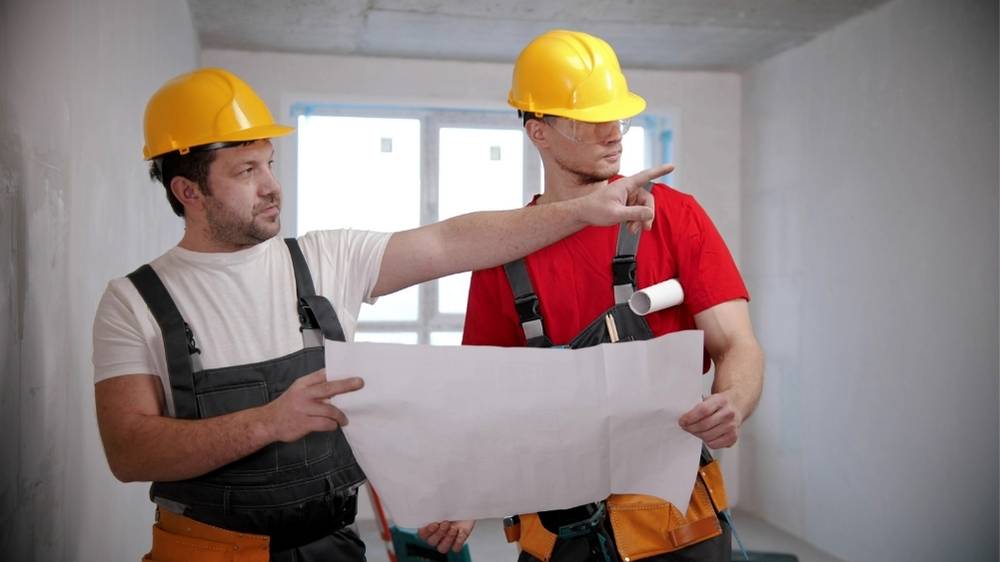
Choosing the right training provider for your career
Selecting the right centre for your training is just as important as the decision to take the course itself. You want to ensure that the training is recognised by industry bodies and that the tutors have real-world experience in the construction sector. Many people look for courses that are CITB-recognised, as these are often required by major contractors and help towards obtaining or renewing relevant CSCS cards. The quality of the delivery matters because the information is so technical; you need a provider that can explain complex engineering concepts in a way that is accessible and actionable for site-based staff.
It is also worth considering the format of the training. Some providers offer traditional classroom-based learning, while others have moved towards remote, tutor-led sessions via video conferencing. Both have their merits, but the key is ensuring that the environment allows for interaction and questions. Because temporary works often involve ‘grey areas’ or unique site challenges, being able to discuss specific scenarios with an expert tutor is incredibly beneficial. When you invest in a high-quality Temporary Works Course, you are investing in the long-term safety and success of your projects. Taking the time to research providers and ensuring the curriculum aligns with current industry standards will pay dividends when you are back on site, managing the complex and vital structures that make modern construction possible.

A digital culture writer with a focus on emerging trends, online subcultures, and the psychology behind viral news. Marcus often deconstructs how digital platforms shape our collective attention and behavior.
-
 PRINCE2 Courses: Boost Your Project Management Skills
26 January 2026
-
 Tech Jobs Boom: Thriving in UK Innovation Hubs
06 August 2025
-
 Everything You Need to Know About Glasgow Heat Pumps
23 November 2024
-
 Crafting The Perfect CV: A Comprehensive Guide
24 January 2024
Recent Posts

We Thank Our Friends!